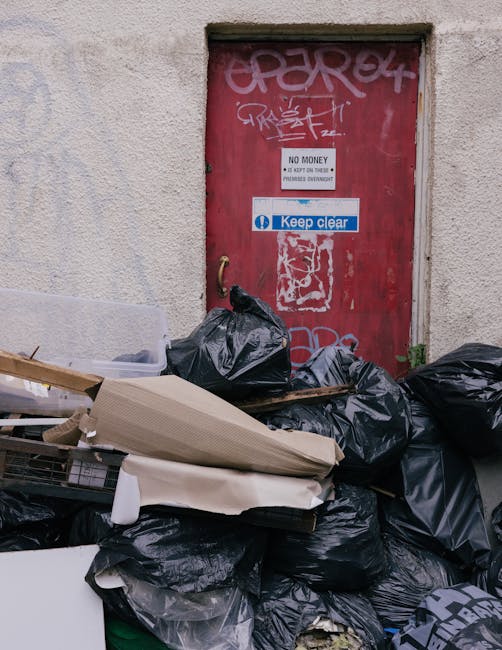
Access Problems on Narrow Oxted Lanes Rubbish Removal Tips
Narrow lanes can make a simple rubbish removal job feel a lot more complicated than it should. In Oxted, where some roads and lanes are tight, parked cars can squeeze the turning space, low branches can catch tall loads, and a van that looks perfectly fine on paper may still struggle on the day. If you are dealing with access problems on narrow Oxted lanes rubbish removal tips, the real goal is not just to remove waste; it is to remove it safely, efficiently, and without blocking neighbours, causing damage, or wasting your time.
This guide pulls together practical, local-minded advice for handling awkward access, whether you are clearing household clutter, builders' waste, garden rubbish, or a full property load. We will cover planning, vehicle choice, loading methods, common mistakes, and the small checks that save a big headache. Truth be told, most access issues are manageable once you know what to look for.
Table of Contents
- Why access problems on narrow Oxted lanes matter
- How rubbish removal works on tight lanes
- Key benefits and practical advantages
- Who this is for and when it makes sense
- Step-by-step guidance
- Expert tips for better results
- Common mistakes to avoid
- Tools, resources and recommendations
- Law, compliance, standards and best practice
- Options, methods and comparison table
- Case study or real-world example
- Practical checklist
- Conclusion
- Frequently asked questions
Why Access problems on narrow Oxted lanes rubbish removal tips Matters
Access problems are more than an inconvenience. On a narrow lane, a collection that looks straightforward can quickly become slow, costly, or unsafe if the team has to reverse repeatedly, park far away, or carry heavy items over uneven ground. That matters for your property, your neighbours, and the people doing the lifting.
There is also the practical side. If access is tight and nobody plans for it, waste may have to be broken down into smaller loads, carried by hand for longer distances, or taken away in a different vehicle. That can affect timings and, in some cases, the overall job cost. It can even change whether a service is suitable at all. For example, a full house clearance in a cramped lane needs a very different approach from a simple curbside pickup.
And let's not ignore the human side. Narrow lanes are often residential, with people coming and going, children on foot, deliveries arriving, and the occasional driver who has already decided the road is too small for everyone except them. A careful rubbish removal plan reduces disruption and avoids that awkward moment where everyone is standing around waiting for a van to reverse three inches at a time. Not ideal.
Quick takeaway: on tight Oxted lanes, the best rubbish removal plan is usually the one that prepares for limited turning space, shared access, and hand-loading before the vehicle ever arrives.
How Access problems on narrow Oxted lanes rubbish removal tips Works
At a basic level, rubbish removal on narrow lanes is about matching the job to the access available. The cleaner the planning, the smoother the collection. In practice, a good team will look at where the vehicle can park, how far items need to be carried, whether any waste can be split down, and whether a smaller vehicle would actually be better than a larger one.
Most access-driven jobs follow the same pattern:
- Initial check: identify lane width, turning points, overhead obstructions, parking restrictions, and any pinch points.
- Item review: note bulky furniture, fragile items, builders' waste bags, green waste, or awkward shapes that may need dismantling.
- Collection method: decide whether the crew can load directly from the property, from a nearby parking spot, or via a staged hand-carry.
- Safety plan: agree on lifting routes, trip hazards, door protection, and who will guide the vehicle if reversing is unavoidable.
- Removal day: work in a sequence that keeps the lane clear as much as possible and avoids unnecessary back-and-forth.
If the waste is bulky, mixed, or especially awkward, the approach may be closer to a home-based clearance than a quick van load. That is where services such as home clearance or even furniture clearance can be helpful because they are better suited to staged removal rather than a simple one-stop pickup.
One small but important point: narrow-lane collections often work better when the customer and the crew speak clearly before the day. A vague "it should be fine" is not enough. Better to say, "The lane narrows by the bend, there are parked cars on one side, and the best place to unload is near the front gate." That kind of detail saves time. A lot of time, actually.
Key Benefits and Practical Advantages
When access is planned well, the benefits are obvious. The job is faster, safer, and much less stressful. But there are a few less obvious gains too.
- Less disruption to neighbours: fewer blocked driveways, fewer repeated manoeuvres, and less noise from constant reversing.
- Reduced damage risk: careful route planning helps protect walls, hedges, gates, fencing, and wheelie bins left in the wrong place.
- Better load efficiency: splitting items properly can mean more waste is removed in one visit.
- Clearer pricing: when access is described accurately, quotes tend to be more realistic from the start.
- Safer handling: shorter lifts, straighter routes, and fewer awkward twists reduce the chance of strain or dropped items.
For commercial customers, the advantages are even more practical. A business unit tucked along a narrow lane may need off-peak collection times, a smaller vehicle, or a carefully timed handover so staff and deliveries are not held up. A service like business waste removal can be a better fit than a one-size-fits-all solution.
There is also an environmental upside. When access is planned properly, recyclables are easier to separate, and fewer items get damaged during rushed handling. That fits naturally with a more considered approach to recycling and sustainability, which matters more than people sometimes think.
Who This Is For and When It Makes Sense
This kind of planning helps a wide range of people, not just those on the very narrowest roads. If the lane is tight, the turning circle is limited, or parking is always a bit of a gamble, you will benefit from thinking ahead.
It is especially useful for:
- homeowners on single-track or restricted-access lanes
- landlords clearing a property between tenancies
- families dealing with inherited household items
- builders removing rubble, timber, or mixed site waste
- gardeners clearing bags, branches, and soil from awkward rear access
- small offices with limited parking or service access
- flat residents where the vehicle cannot park directly outside
If your waste is mostly household clutter, a flat clearance or furniture disposal approach may be enough. If the access issue is combined with loft contents, garden waste, or garage clutter, then a more flexible package may make more sense. The point is not to choose the biggest service; it is to choose the right one.
In our experience, people often wait too long to mention access problems. They assume the crew will "just manage." Sometimes they do. Sometimes they really, really don't. A better approach is to raise it early and describe the lane exactly as it is, not as you hope it might look on a sunny day with no parked cars.
Step-by-Step Guidance
If you want a practical way to handle a narrow-lane collection, follow this sequence. It is simple, but it works.
1. Measure the pinch points
Check where the lane narrows, where cars already park, and whether there are gates, overhanging branches, lamp posts, or walls that reduce clearance. You do not need engineering-grade measurements. A tape measure, a few photos, and a sensible eye for space are enough in many cases.
2. Identify the heaviest and bulkiest items first
Large wardrobes, mattresses, sofas, builders' bags, and broken appliances are the usual troublemakers. These items often decide whether a job can be loaded directly or needs to be dismantled. If you are clearing mixed waste, you may want to separate out especially awkward items before collection day.
3. Decide what can be broken down safely
Flat-pack furniture, shelving, or some garden structures can often be dismantled to make removal easier. Be careful, though. If a piece is structurally weak or contains hidden fixings, forcing it apart can make it worse. Sometimes it is smarter to leave it intact and let the crew handle it.
4. Choose the best parking and loading point
Ideally, the vehicle should stop as close as possible without blocking access or putting people at risk. On narrow lanes, that may mean using a nearby wider stretch, a driveway, or a designated pull-in. If the closest safe point is still a short walk away, plan for a hand-carry route.
5. Protect the route
Clear away loose stones, plant pots, low branches, and other clutter along the walking path. If the route passes through a home or shared entrance, put down protection where needed and keep doors open only when useful. A little preparation helps more than people expect.
6. Load in a sensible order
Start with the items that create the most space and work towards the smaller bits. This avoids re-handling waste and keeps the pathway clear. Heavy items should be loaded with proper lifting technique and enough people to do the job safely.
7. Allow a buffer for the unexpected
Parked cars appear. Gates stick. A neighbour brings in a delivery van right where you need to turn. It happens. Leave some margin in the schedule so those little surprises do not turn the whole morning into a scramble.
Expert Tips for Better Results
Here are the details that often separate a smooth job from a frustrating one.
- Send photos from the lane, not just the property: a picture of the access route is often more useful than a picture of the rubbish itself.
- Tell the team about turning space early: a van that fits the road may still struggle at the bend or near a parked car.
- Group items by size before collection: this makes loading quicker and reduces unnecessary lifting.
- Keep neighbours informed if access will be tight: a polite heads-up can prevent friction later.
- Watch the weather: wet leaves, mud, and sloping ground can make carrying items slower and less safe.
- Use dismantling only where it helps: not every bulky item should be taken apart. Sometimes you save nothing but time and patience.
A small but useful trick: if you know the lane is hard to reverse in, ask for a collection plan that minimises reversing altogether. It sounds obvious, but it is often the bit people forget to say out loud. And then everyone ends up doing the awkward "just a bit more, no, the other way" dance. Not fun.
For heavier or mixed jobs, it may also help to compare broader services such as waste removal and builders waste clearance so the right handling method matches the type of load, not just the location.
Common Mistakes to Avoid
Most access problems are avoidable. The trouble is, the same mistakes crop up again and again.
- Assuming a van will fit because a car fits: it usually won't be that simple.
- Not mentioning parked cars: a lane that is fine at 10 a.m. may be nearly impossible at school run time.
- Leaving bulky items until the last minute: when space is limited, awkward items need the most thought.
- Forgetting to clear the route: a cluttered pathway slows everything down and increases the risk of damage.
- Choosing the wrong service type: a general clearance may be better than a specialist furniture-only collection, or vice versa.
- Underestimating lifting distance: a short-looking walk can feel much longer when carrying a heavy sofa across uneven ground.
There is another one, and it is a big one: not being honest about access because you worry it will complicate things. It almost always complicates things later. Better to be upfront and get the job scoped properly from the start.
Tools, Resources and Recommendations
You do not need a van full of fancy equipment to make a narrow-lane clearance work better. A few practical tools and habits are enough.
- Phone camera: take clear photos of the lane, turning points, and waste pile.
- Tape measure: useful for gates, furniture widths, and awkward access points.
- Gloves and sturdy footwear: especially if you are moving items yourself before the crew arrives.
- Labels or markers: helpful if items need to be grouped, separated, or left in a specific order.
- A simple site sketch: even a rough hand-drawn route can be surprisingly useful.
If you are dealing with clutter in awkward spaces, services like garage clearance, loft clearance, or garden clearance can be a sensible way to group the work and reduce repeated trips.
For reassurance around how a provider operates, it can also help to review pages such as about us, insurance and safety, and health and safety policy. Those pages do not remove the access issue by themselves, of course, but they do tell you a lot about the standards behind the service.
Law, Compliance, Standards, or Best Practice
When rubbish removal involves tight access, safety and lawful disposal still matter just as much as convenience. In the UK, the broad expectation is that waste should be handled by a responsible carrier and taken to a proper disposal or recycling route. You do not need to become a compliance expert, but you should expect the provider to explain how the waste will be dealt with.
Good practice usually includes the following:
- protecting people and property during loading and transport
- using suitable vehicles for the space available
- avoiding obstruction of roads, driveways, and emergency access
- separating reusable or recyclable items where practical
- keeping clear terms around payment, timing, and job scope
If the job involves sensitive access, shared entrances, or limited parking, it is sensible to discuss the plan in advance rather than leaving it to chance. That applies just as much to small domestic clearances as it does to commercial collections. For anything involving business premises, it can help to review terms and conditions and payment and security before booking.
Accessibility also deserves a mention. A service should be able to explain how it supports different access needs, and if you want to understand how a provider thinks about inclusive service delivery, the accessibility statement is worth a look. Small detail, yes, but it often signals a thoughtful operation.
Options, Methods, or Comparison Table
There is no single best way to remove rubbish from a narrow lane. The right method depends on the waste type, the route, and how much lifting is involved. Here is a simple comparison to help you think it through.
| Method | Best for | Advantages | Limitations |
|---|---|---|---|
| Direct van loading | Reasonably clear access and standard loads | Fast, simple, efficient | Less suitable where parking or turning is tight |
| Hand-carry collection | Laneways, rear access, or long carries | Flexible and practical in awkward spots | Slower and more physically demanding |
| Dismantle and remove | Bulky furniture or awkward household items | Creates space and reduces access pressure | Not always safe or worthwhile for every item |
| Staged clearance | Full property jobs or mixed waste | Great for complicated access and larger jobs | May require more planning and time |
If you are deciding between a full property service and a more targeted collection, ask yourself one question: is the access issue the main problem, or is it the volume and mix of rubbish? If it is both, a more flexible service tends to work better. If it is only a single bulky item, a simpler collection may be enough.
Case Study or Real-World Example
Here is a realistic example. A homeowner in a narrow Oxted lane needs to clear a garage after years of slowly piling things in there. The lane is tight, neighbours park on both sides by late morning, and the garage sits a fair way from the road. On paper, it looks awkward. In practice, it is manageable.
The job works because the customer sends a few photos in advance: the lane entrance, the narrow bend, and the garage contents. The team spots that a larger vehicle would waste time trying to turn, so they plan a smaller-vehicle approach with a short hand-carry route. The customer clears a few plant pots and a loose bike from the path the night before. The garage items are grouped by type: metal shelving, old boxes, broken chairs, and a couple of heavy tools.
On the day, the crew arrives, loads the heavier items first, and works from the garage outward. No one is rushing. No one is blocked in. A neighbour even comments that the van is far less intrusive than expected. A small win, but a meaningful one.
That kind of job is a good reminder that access issues rarely mean "impossible." More often, they mean "plan properly." Which is a nicer problem to have, to be fair.
Practical Checklist
Use this checklist before your collection day.
- Take photos of the lane, entrance, and tightest turning points
- Measure any gates, doorways, or narrow stretches that matter
- Note parked-car pressure at different times of day
- Identify bulky or heavy items early
- Clear the walking route of loose clutter and trip hazards
- Tell the provider about any low branches, steep sections, or awkward bends
- Confirm whether items need dismantling or can stay intact
- Agree where the vehicle should park if direct access is limited
- Keep neighbours informed if the lane may be briefly busier than usual
- Review the service scope, timing, and payment details before the day
If the job is a mixed clearance rather than a single pickup, it can help to look at related services such as office clearance for workplace items or furniture disposal for standalone bulky pieces. Matching the service to the waste keeps things cleaner and simpler.
Conclusion
Narrow lanes in Oxted do not have to turn rubbish removal into a stressful puzzle. With a bit of honest planning, a realistic look at the access route, and the right collection method, even awkward clearances can be handled smoothly. The main things are simple: tell the truth about the lane, prepare the route, choose the right load method, and avoid last-minute improvising.
That is the real difference between a decent job and a messy one. Not luck. Not guesswork. Just good planning and a team that understands how tight access changes the game.
Get a free quote today and see how much you can save.
If you are unsure whether your narrow lane can be managed safely, the sensible next step is to share a few clear photos and describe the tightest points in plain English. A thoughtful provider will know what to do with that information, and you will feel a lot calmer for it. Sometimes the best fix is simply being properly prepared.
Frequently Asked Questions
Can rubbish be removed from a very narrow Oxted lane?
Yes, often it can. The key is matching the method to the access available. A smaller vehicle, short hand-carry route, or staged loading plan may be needed if direct driveway access is not possible.
What should I send before booking a narrow access collection?
Photos are the most useful thing. Send pictures of the lane, the entrance, the waste, any bends, and anything that might block a van, such as parked cars or overhanging branches.
Does narrow access increase the cost of rubbish removal?
It can, because extra time, longer carrying distances, or smaller vehicles may be needed. That said, a clear description of the access route helps produce a more accurate quote up front.
Is it better to dismantle furniture before collection?
Only if it genuinely makes the job easier and safer. Some furniture breaks down cleanly, but other items become awkward or unsafe when forced apart. If in doubt, ask first.
Can I leave waste at the end of the lane to make collection easier?
Sometimes, yes, if it is safe and does not block anyone. But you should never leave items where they could obstruct traffic, pedestrians, or emergency access. Keep it sensible.
What if parked cars block the lane on collection day?
That is one of the most common access issues. A good provider will usually work around it if possible, but it is better to warn them in advance about busy parking times so they can plan accordingly.
Are narrow-lane clearances suitable for full house clearances?
Yes, they can be, but they usually need more planning than an easy-access property. A full house clearance is still possible in many cases if the route and loading method are thought through properly.
What happens if the crew cannot get the vehicle close enough?
They may use a hand-carry system or adjust the parking point if there is a safe alternative nearby. If neither is possible, the job may need to be rescheduled or re-scoped.
Is there a difference between garden waste and general rubbish on narrow lanes?
Yes. Garden waste can be lighter but bulkier, while general rubbish may be heavier or more mixed. Services such as garden clearance or broader waste removal may suit different access conditions.
How do I know if a provider is careful enough for tight access?
Look for clear communication, a sensible questions-first approach, and a willingness to ask for photos. Pages like insurance and safety and health and safety policy can also give you a feel for how seriously the provider takes the job.
Can office waste be removed from a narrow residential lane?
Yes, if the service is planned well and the load is suitable. In some cases, business waste removal or office clearance is the better fit, especially if items need sorting or staggered loading.
What is the biggest mistake people make with narrow lane rubbish removal?
The biggest mistake is under-explaining the access problem. People often focus on the rubbish itself and forget the lane, the parking, and the turning space. That is usually what decides how smoothly the job goes.