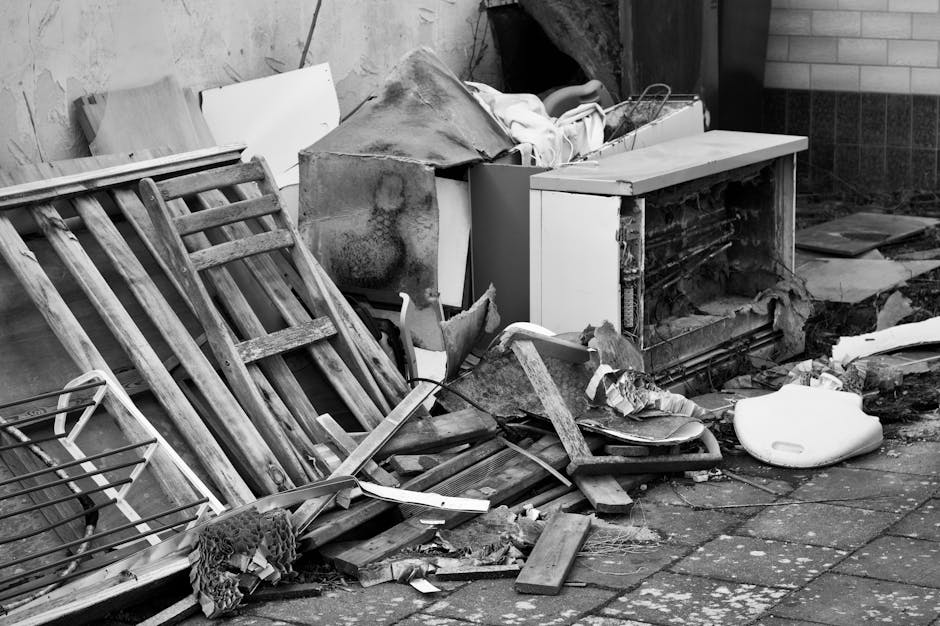
Bulky rubbish removal Station Road Oxted guide
If you have a sofa stuck in the hallway, a broken wardrobe in the spare room, or a pile of old household bits that has quietly turned into a small mountain, you are not alone. Bulky waste has a habit of lingering for weeks, then suddenly becoming the one thing you keep stepping around every morning. This Bulky rubbish removal Station Road Oxted guide is here to make the process feel simpler, safer, and less of a faff.
Station Road in Oxted has its own everyday realities: terraced homes with narrow access, driveways that fill quickly, shared entrances, and the usual juggling act of work, school runs, and weekend plans. So the best bulky waste solution is not just "get it gone". It is finding the right approach for your property, your timetable, and the type of items you need cleared. In the sections below, you will find practical steps, local-minded advice, compliance guidance, and a few honest tips from real-world experience. Truth be told, the neatest job is usually the one planned properly.
For readers looking at wider property clearance needs as well, it can help to explore related services such as house clearance, rubbish removal, and skip hire. They each suit different situations, and choosing well saves time, money, and a bit of stress too.
Table of Contents
- Why Bulky rubbish removal Station Road Oxted guide Matters
- How Bulky rubbish removal Station Road Oxted guide Works
- Key Benefits and Practical Advantages
- Who This Is For and When It Makes Sense
- Step-by-Step Guidance
- Expert Tips for Better Results
- Common Mistakes to Avoid
- Tools, Resources and Recommendations
- Law, Compliance, Standards, or Best Practice
- Options, Methods, or Comparison Table
- Case Study or Real-World Example
- Practical Checklist
- Conclusion
- Frequently Asked Questions
Why Bulky rubbish removal Station Road Oxted guide Matters
Bulky rubbish removal sounds straightforward until you actually try to do it. A mattress is easy to name, but not so easy to move. A sofa may fit through the front door, then catch awkwardly on a stair turn. A dismantled wardrobe can be deceptively heavy because of the panels, hinges, and old fittings. On a road like Station Road, where access and parking can be tight at certain times, the difference between a smooth clearance and a messy one often comes down to planning.
This matters for three reasons. First, bulky items can block living space and create trip hazards. Second, they are awkward to move safely without the right approach. Third, the wrong disposal method can lead to avoidable costs, delays, or compliance issues. A bit of preparation goes a long way. It really does.
There is also the environmental side. Not every item should be treated the same. Some bulky goods can be reused, some recycled, and some need careful handling because they contain materials like metal, treated timber, electronics, foam, or fabric. That is why a proper bulky rubbish removal process is more than a quick lift-and-load job. It is a practical system for sorting, moving, and disposing of items responsibly.
For households and landlords near Station Road, the need often arrives at ordinary moments: a tenant leaves furniture behind, a renovation produces old units, or a loft clearance uncovers years of stored clutter. Nothing dramatic. Just life, stacking up in bits and pieces.
How Bulky rubbish removal Station Road Oxted guide Works
In practical terms, bulky rubbish removal usually follows a few clear stages. A provider will typically assess the type and volume of waste, identify any access challenges, agree a collection time, and then remove the items for sorting and disposal. Simple in theory. A bit less simple in a narrow hallway with a heavy wardrobe and one stubborn bed frame.
The exact process depends on whether you are dealing with a one-off item, a handful of pieces, or a larger mixed load. For example, a single fridge-freezer needs different handling from a full garage clear-out. Likewise, a broken sofa with loose fabric and exposed frame should be moved differently from flat-pack furniture that has already been dismantled.
Many residents start by deciding between a few routes: do it yourself, use a skip, or arrange a collection service. Each route has pros and cons. DIY is cheap in one sense, but it can be time-consuming and physically awkward. A skip can be useful if you have a larger job and enough space, though it may not suit every property. A collection service is often the most convenient option when speed, lifting, and disposal all need to happen in one go.
If you are weighing up broader property or garden clearance alongside bulky waste, the page on garden clearance can be a useful companion, especially if outdoor clutter has started spilling into the driveway or side return.
What typically gets collected
- Sofas and armchairs
- Beds, mattresses, and bed frames
- Wardrobes, drawers, and shelving
- Tables, chairs, and cabinets
- White goods such as washing machines or fridges
- Mixed household junk from lofts, sheds, or garages
- Office furniture and light commercial waste
Some items may need special handling, so it is always worth checking details before moving them outside. That avoids last-minute surprises, which nobody enjoys at 8:00 in the morning with a van waiting and the kettle not even finished boiling.
Key Benefits and Practical Advantages
The clearest benefit is obvious: your space becomes usable again. A room full of unwanted furniture suddenly becomes a guest room, a workspace, or just a room you can breathe in. But there are more subtle advantages too.
1. Less physical strain. Bulky items are heavy, awkward, and often unbalanced. Removing them safely is harder than it looks, especially on stairs or around corners.
2. Faster turnaround. Instead of waiting around for your schedule to line up with a council collection or doing multiple trips yourself, a well-planned removal can clear the lot in one visit.
3. Better sorting and disposal. Responsible removal means reusable or recyclable materials have a better chance of being handled properly rather than dumped into a mixed pile.
4. Less disruption. This is a big one for families, landlords, and small businesses. A prompt collection keeps the property orderly and helps you move on with whatever comes next.
5. A tidier first impression. If you are selling, letting, renovating, or simply trying to get back on top of a home, bulky waste creates a visual drag. Clear it, and the whole place feels lighter. Funny how that works.
Below is a quick comparison of common approaches so you can see where each one tends to fit best.
| Option | Best for | Strengths | Limitations |
|---|---|---|---|
| DIY removal | Small loads and strong backs | Low direct cost, full control | Time, lifting risk, disposal logistics |
| Skip hire | Larger projects and ongoing clear-outs | Flexible loading window, handles mixed waste | Needs space, permit considerations, self-loading |
| Bulky item collection | Fast, convenient one-off or mixed-item removals | Little hassle, lifting included, quick turnaround | Price depends on volume, access, and item type |
In many Station Road situations, convenience matters as much as cost. If the front access is awkward or parking is tight, having the lifting and loading managed for you can save a lot of trouble.
Who This Is For and When It Makes Sense
Bulky rubbish removal is useful for a wide mix of people, not just homeowners with a garage full of old furniture. In practice, it tends to suit anyone who needs a quick, tidy, and compliant way to move large items off-site.
Homeowners often use it after redecorating, replacing furniture, or finally tackling the loft. A common scenario is a family that has replaced a bed and mattress but is left with the old frame leaning awkwardly in the hallway for a week. Nobody wants that.
Landlords and letting agents use it after a tenancy ends, especially when tenants have left large items behind. A quick clearance helps get a property ready for cleaning, repairs, and relisting.
Tradespeople and renovators may need bulky clearance for old kitchens, bathroom units, doors, or offcuts. If the job is mixed and changing day by day, a flexible removal approach can be easier than trying to predict every load in advance.
Small businesses also benefit when replacing office desks, broken chairs, archive cupboards, or display units. The same goes for shops that need a clean sweep before a refit.
It makes sense when:
- the items are too large or heavy for normal bins
- you need the space cleared quickly
- you want less lifting and less back-and-forth
- the waste includes mixed materials and needs sorting
- access is awkward and you need someone used to handling that sort of job
To be fair, if you only have one lightweight item and a suitable vehicle, DIY can still be practical. But once the load becomes bulky, awkward, or just plain annoying, a proper removal service starts looking far more sensible.
Step-by-Step Guidance
If you want a smooth bulky waste clear-out, do it in the right order. It sounds obvious, but rushing the sequence is how small jobs become mini disasters.
1. Identify everything that needs to go
Walk through the space and make a full list. Check corners, cupboards, sheds, under beds, and that one odd room where forgotten furniture tends to breed. Separate bulky items from general rubbish.
2. Sort by type and condition
Group items that might be reusable, recyclable, or simply broken beyond repair. A decent table, for example, may be suitable for reuse if it is sturdy. A damaged mattress usually is not. Sorting early makes the rest easier.
3. Measure access points
Doors, stairwells, lifts, alleys, and driveway width all matter. If a large item will need dismantling, work that out before the collection day. Measuring now saves grumbling later.
4. Check for special items
Some items need extra care. Fridges, freezers, certain electronics, and anything with hazardous components may not be handled the same way as plain furniture. If in doubt, ask before the collection is arranged.
5. Decide whether items need dismantling
Sometimes taking legs off a table or removing a door from a wardrobe turns a difficult move into a manageable one. Just keep screws, hinges, and small fittings in a labelled bag so nothing goes missing.
6. Choose the most suitable removal method
Match the method to the load, access, and timing. A small flat might suit a collection service. A larger house clear-out could be better with skip hire. The right choice is the one that fits your real-life constraints, not the one that sounds clever on paper.
7. Clear a path
Before the crew arrives, move smaller items out of the route, open gates, and make sure the main access point is available. A five-minute tidy can save fifteen minutes of awkward manoeuvring.
8. Confirm what happens next
Make sure you understand where the waste is likely to go, how mixed items are handled, and whether any receipts or paperwork are provided. For business or landlord jobs, that paper trail can matter more than people expect.
Expert Tips for Better Results
Here is the part that tends to save people money and hassle. A few small decisions can make the whole job smoother.
- Photograph the items first. It helps with accurate quoting and avoids awkward misunderstandings.
- Remove loose contents. Drawers, cushions, bedding, and bits of clutter should usually be emptied before collection.
- Keep similar waste together. It makes sorting quicker and helps assess what can be reused or recycled.
- Think about parking early. On busier parts of Station Road, good parking is a small victory in itself.
- Plan around weather where possible. Rain is not dramatic, but it can make moving large items slower and messier.
- Label anything that is staying. It is amazingly easy for one item to look like another when a room is half-cleared.
- Do the easy dismantling first. It makes the big pieces lighter and less awkward.
A small practical observation: if a job looks like it will take ten minutes, it often takes twenty once you discover the item is wider than the hallway or heavier than everyone remembered. Happens all the time.
If you need extra help with awkward household clearances, the furniture disposal page is a useful place to understand how bigger pieces are typically handled. That can help you decide whether to strip, stack, or leave items intact before collection.
Common Mistakes to Avoid
Most bulky waste mistakes are not dramatic. They are just the kind that cost time, create extra lifting, or lead to a second visit. A few to watch out for:
- Leaving everything until collection day. Sorting at the last minute causes delays and confusion.
- Assuming all items are handled the same way. Different materials and appliances may need different treatment.
- Forgetting access constraints. A van may be ready, but a narrow gate or parked car can throw the plan off.
- Not checking item condition. Loose glass, exposed nails, or unstable frames can create avoidable risk.
- Mixing bulky waste with hidden general rubbish. Bags tucked behind furniture often get missed.
- Ignoring local parking realities. On residential roads, this can become the annoying bit nobody predicted.
One of the biggest errors is underestimating weight. A wardrobe that looks harmless can become a two-person problem very quickly. Better to pause and plan than to strain a back trying to prove a point. There is no medal for bravado here.
Tools, Resources and Recommendations
You do not need a workshop full of gear, but a few basic tools help enormously if you are preparing items yourself.
- Protective gloves for grip and hand protection
- Blankets or old sheets to protect floors and door frames
- Screwdrivers and hex keys for dismantling furniture
- Labels or tape for keeping fittings with the right item
- Trolley or sack truck for moving heavier pieces where safe and suitable
- Bin bags or boxes for loose contents and small components
From a planning perspective, it also helps to have a simple list of questions ready before you book anything:
- What items do you need removed?
- Are there stairs, narrow entrances, or parking restrictions?
- Do any items require special handling?
- Would dismantling help reduce the cost or make access easier?
- Do you need the area cleared on a specific day?
If your project is broader than one room or one pile, you may also want to review related pages such as commercial waste and office clearance. They are especially relevant for business owners, landlords, or anyone dealing with mixed clearance work.
Law, Compliance, Standards, or Best Practice
Any waste removal job in the UK should be approached carefully and responsibly. You do not need to become a legal expert, but you should know a few sensible basics. Waste must be passed to someone who is authorised to take it, and it should be handled in a way that avoids fly-tipping or improper disposal. That is the core principle.
If you are hiring a service, it is sensible to ask how the waste will be handled and whether they can explain their process clearly. Good providers are usually comfortable talking about sorting, recycling, and disposal routes in plain English. If someone is vague, that is worth noticing.
For landlords and businesses, record-keeping matters more than for a simple household clear-out. You may want to keep invoices, job details, and any paperwork linked to the disposal. Not because anyone loves admin, but because it keeps everything tidy if questions come up later.
For electrical items and appliances, best practice is to treat them separately where appropriate. For furniture, check whether it contains glass, sharp metal, or unstable sections. For anything potentially hazardous, do not guess. Ask first. Sensible caution beats a rushed lift every time.
And yes, local parking and access rules matter too. On a street like Station Road, a smooth collection often starts with basic practical awareness: where the vehicle can stop, how far items need to be carried, and whether neighbours need a bit of advance notice. Small things, but they make the day run better.
Options, Methods, or Comparison Table
People usually compare bulky rubbish removal options by price alone, but that misses the bigger picture. Ease, access, speed, and the type of waste all play a part. Here is a more realistic comparison.
| Method | Typical workflow | Best suited to | Consider this |
|---|---|---|---|
| Single-item collection | One or a few items lifted and removed quickly | Mattresses, sofas, appliances | Great for convenience, less useful for ongoing clear-outs |
| Full bulky clearance | Several items collected from across the property | House moves, end-of-tenancy clearances | Often better value for mixed loads |
| Skip-based clearance | Waste loaded into a container over time | Renovations, bigger tidy-ups | Needs space and more self-management |
| DIY tip run | Items taken away in your own vehicle | Small, manageable loads | Time-consuming and not ideal for awkward furniture |
The right option depends on what is bothering you most. Is it the lifting? The mess? The lack of time? The parking headache? If you know the real problem, the answer becomes clearer quite quickly.
Case Study or Real-World Example
Here is a typical local-style example. A family near Station Road had replaced their old sofa, two dining chairs, a worn mattress, and a broken chest of drawers. At first glance, it seemed like a quick do-it-yourself job. Then they tried to move the sofa through a narrow landing, realised the chest of drawers was heavier than expected, and noticed the mattress would not fit neatly in their car without making a mess of the interior. Classic.
They spent the first part of the morning clearing a path, measuring the doors, and separating loose bits from the furniture. One chair leg had already split, so that was set aside for safer handling. Once everything was ready, the actual removal was much smoother. Less stress, fewer trips, and no wrestling match in the hallway.
The useful lesson there is simple: the job usually feels bigger before it starts than it does once it is properly organised. A few minutes of preparation can change the tone completely. And that, in our experience, is where the real value often sits.
In another common scenario, a small landlord clearing a flat after a tenancy may discover a mix of left-behind furniture, bin bags, and one heavy appliance. A clear plan matters because the job is not just about removing things. It is about making the property ready for cleaning, inspection, and the next stage without dragging the process out.
Practical Checklist
Use this checklist before your bulky rubbish removal day. It keeps things simple and helps prevent awkward surprises.
- Identify every bulky item that needs to go
- Check whether any items can be reused, donated, or recycled
- Measure doors, stairs, gates, and access routes
- Decide if furniture should be dismantled
- Remove loose contents from drawers, cupboards, and sofas
- Separate electrical items and special waste where needed
- Take photos for reference if you are getting a quote
- Clear the path from the item to the exit
- Confirm parking or access arrangements
- Keep any important paperwork or item notes to hand
Expert summary: the best bulky rubbish removal is not the fastest one on paper; it is the one that is planned enough to avoid damage, delay, and confusion. If access is tight, sort the items first. If the items are mixed, separate them first. Simple rule, but it saves a lot of bother.
If you are preparing for a larger property clear-out, the page on miscellaneous waste may also help you think through awkward mixed items that do not fit neatly into one category.
Conclusion
Bulky rubbish removal on Station Road in Oxted is not just about hauling things away. It is about choosing the cleanest, safest, and most practical route for your home or business, while keeping access, timing, and disposal in mind. Once you understand the main options, the whole task becomes far less intimidating.
The best results usually come from a little preparation, a clear list of items, and a sensible choice between DIY, skip hire, or a collection service. Whether you are clearing one awkward sofa or sorting through a full room of unwanted furniture, a calm plan beats a rushed one every time.
Get a free quote today and see how much you can save.
If you are staring at that pile of bulky waste right now, take it one step at a time. You do not need to solve it all in one go. Just start with the first item, and the rest tends to follow.
Frequently Asked Questions
What counts as bulky rubbish?
Bulky rubbish usually means large household or commercial items that are too big for normal wheelie bins or standard collection bags. Think sofas, beds, wardrobes, tables, and similar items.
Is bulky rubbish removal better than hiring a skip?
It depends on the job. Bulky rubbish removal is often better for convenience and lifting, while a skip can suit bigger projects where you have space and want to load waste over time.
Can I put broken furniture out for collection as it is?
Sometimes yes, but it is often smarter to dismantle large pieces where practical. That can make lifting easier and reduce the risk of damage or injury.
Do I need to sort items before removal?
Yes, ideally. Sorting makes the collection smoother and helps separate reusable, recyclable, and general waste. It also reduces the chance of something being missed.
What if my bulky items are on an upper floor?
That is common, and it is exactly where planning matters. Measure stairways, note tight turns, and make sure the route is clear before collection day.
Can appliances like fridges and washing machines be removed too?
Often they can, but appliances may need special handling because of their weight and components. It is always best to check in advance rather than assume.
How do I know if a provider is handling waste properly?
Ask clear questions about their process, disposal route, and whether they provide paperwork. A trustworthy provider should be able to explain things simply and without hesitation.
Is bulky rubbish removal suitable for landlords?
Yes, very much so. It is a practical option after tenant move-outs, especially where furniture or mixed waste has been left behind and the property needs to be turned around quickly.
Will I need to be present during the collection?
Usually yes, or at least someone responsible should be available if access or item identification is needed. That avoids misunderstandings and keeps the job moving.
What should I do with items that are still usable?
If items are in decent condition, consider whether they can be reused, donated, or passed on before disposal. Not every bulky item needs to go straight to waste handling.
How can I make collection day easier?
Clear pathways, remove loose contents, confirm access, and separate the items you want removed. A few small preparations can make the whole day feel much less hectic.
Is bulky rubbish removal expensive?
Costs vary depending on item type, volume, access, and how much labour is involved. The most accurate way to find out is to request a tailored quote based on the actual job.
For anyone balancing house, office, or garden clearances around the Station Road area, the main thing is this: do not let the clutter win. Get a plan, take the first step, and the space starts feeling like yours again.