Limpsfield Chart Donations and Rubbish Collection: A Practical Guide for Homes, Clear-Outs and Reuse
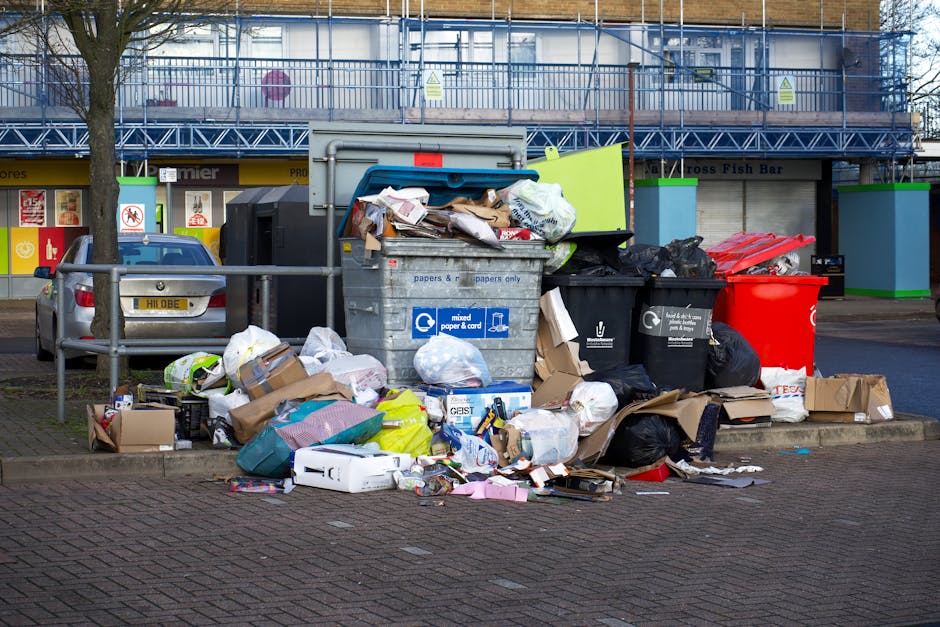
If you are dealing with Limpsfield Chart donations and rubbish collection, chances are you are trying to solve two problems at once: what can be reused, and what simply needs to go. That mix comes up in all sorts of real situations - a garage that has quietly filled up, a relative's home that needs clearing, or a tidy-up after renovation where the bags multiply faster than you expected. Truth be told, it can feel a bit much.
This guide breaks the process down in plain English. You will learn how donation-led clearances differ from standard rubbish collection, how to separate reusable items from waste, what to expect on the day, and how to avoid common mistakes that lead to extra cost, wasted time, or unnecessary landfill. Where useful, we also point to helpful company information such as who we are, our recycling and sustainability approach, and pricing and quotes so you can make a confident decision.
One small note before we begin: local collection and reuse arrangements are often simpler when you plan them early. Not glamorous, I know. But it saves a lot of head-scratching later.
Table of Contents
- Why Limpsfield Chart donations and rubbish collection Matters
- How Limpsfield Chart donations and rubbish collection Works
- Key Benefits and Practical Advantages
- Who This Is For and When It Makes Sense
- Step-by-Step Guidance
- Expert Tips for Better Results
- Common Mistakes to Avoid
- Tools, Resources and Recommendations
- Law, Compliance, Standards, or Best Practice
- Options, Methods, or Comparison Table
- Case Study or Real-World Example
- Practical Checklist
- Conclusion
- Frequently Asked Questions
Why Limpsfield Chart donations and rubbish collection Matters
At first glance, donation and rubbish collection might seem like the same task. They are not. Donations are about giving suitable items a second life; rubbish collection is about removing items that are damaged, unsafe, broken beyond practical reuse, or simply not wanted. In a place like Limpsfield Chart, where homes can range from long-established family properties to properties undergoing downsizing or refurbishment, that difference really matters.
Why? Because the wrong approach can waste useful items. A solid dining chair, a working lamp, or a clean bookcase may still be valuable to someone else. On the other hand, putting unsuitable items aside "just in case" can clutter your space and slow the whole job down. A good clearance plan keeps both streams separate: reuse where possible, responsible disposal where not.
There is also a practical cost angle. When donation-ready items are identified early, the collection can often be more efficient. Fewer mixed loads, less sorting on the day, and a clearer idea of what needs handling. That makes life easier for everyone, especially if you are working to a deadline like a tenancy end date, probate timeline, or pre-sale clean-up.
Expert summary: The smartest Limpsfield Chart clear-outs are not the fastest ones; they are the best sorted ones. Reuse candidates first, waste second, and bulky items assessed honestly. That simple order tends to save time, reduce stress, and improve outcomes.
How Limpsfield Chart donations and rubbish collection Works
The process usually starts with a quick review of what you have. A good rule is to separate items into three groups: donate, recycle, and dispose. That sounds simple, and mostly it is - though a kitchen cupboard full of "maybe useful" objects can make anyone pause.
Donation-suitable items are typically clean, safe, and in working order. Think furniture without structural damage, homeware that is intact, books, boxed toys, and electrical items that are functional and safe. Rubbish collection covers broken furniture, stained soft furnishings, damaged appliances, bagged general waste, and mixed materials that cannot realistically be reused.
In a proper clearance workflow, reusable items are kept accessible so they can be assessed quickly. Waste is separated so it can be loaded safely and handled appropriately. If you are using a professional service, it is sensible to ask how items are sorted and where they go. The recycling and disposal approach matters, and you can read more in the company's recycling and sustainability information.
The collection itself can be done in stages or as a single visit, depending on volume. A small flat clear-out might be a one-visit job. A larger house clearance, especially if it includes lofts, sheds, or a garage, may need more careful planning. Nothing dramatic - just realistic.
What usually happens on the day
- The team reviews access, parking, and the items to be removed.
- Donation-worthy pieces are separated from non-reusable waste.
- Bulky furniture and bagged rubbish are taken out safely.
- Items intended for recycling are sorted where possible.
- The space is left tidy once the agreed work is complete.
If there are awkward items such as mattresses, white goods, or mixed junk from a loft, they may need special handling. That is normal. The important thing is honesty about condition, weight, and access, because that is what keeps the job predictable.
Key Benefits and Practical Advantages
A donation-led approach to rubbish collection offers more than just tidier rooms. It creates a cleaner decision path, and that can be surprisingly helpful when emotions are running high. People dealing with bereavement clearances, downsizing, or a long-overdue declutter often say the hardest part is not lifting the items - it is deciding what each item means.
There are several clear benefits:
- Less waste: usable items are kept out of the skip-style mindset and given a second life where possible.
- Better value: separating reusable goods can reduce the amount of material that needs full disposal.
- Less stress: you are not trying to make every decision in one frantic sweep.
- More control: you can prioritise sentimental or high-value items first.
- Cleaner end result: the space feels properly finished, not just half emptied.
There is a quieter benefit too. It often feels better, emotionally, to know that good items are not simply being dumped. That matters more than people admit. One client may care deeply about a side table because it was his father's, while another may just be relieved to have the hall clear again. Both reactions are completely normal.
For businesses or landlords, the advantages are just as practical. Clear inventory, faster turnaround, reduced fly-tip risk, and a more presentable property. If you need to manage payments securely or understand booking terms before arranging work, it helps to review payment and security details alongside the terms and conditions.
Who This Is For and When It Makes Sense
This kind of service is useful for a wide range of people. You do not need to be clearing an entire house to benefit from it. In fact, some of the most common requests are fairly ordinary - a spare room full of boxes, an inherited wardrobe, or the odd pile-up that has happened over years. Life does that, doesn't it?
It usually makes sense if you are:
- moving home and need to clear non-essential items quickly
- handling a probate clearance or preparing a loved one's property
- downsizing from a larger house to a smaller one
- refreshing a rental property before re-letting
- tidying a garage, loft, shed, or outbuilding
- removing mixed household rubbish after a big declutter
- trying to donate usable items rather than throwing everything away
There is also a good case for using a professional service if you are dealing with awkward access, heavy furniture, or items that need careful lifting. You may be able to do it yourself, of course. But let's face it, carrying a wardrobe down narrow stairs is rarely anyone's idea of a good Saturday.
For people who want reassurance around safety and process, it is worth looking at the company's health and safety policy and insurance and safety information. Those pages help explain the standards behind the service, which is exactly the kind of thing you want when strangers are moving heavy items through your home.
Step-by-Step Guidance
If you want a smoother result, follow a simple order. Rushing straight into collection without sorting can work, but it usually creates more noise than progress.
- Walk through the property room by room. Make a quick list of items that are reusable, recyclable, or waste.
- Pull out donation-quality items first. Keep them clean and together so they are easy to inspect.
- Check bulky items for damage. A chair with one loose leg is not the same as a solid chair in usable condition.
- Separate hazardous or special items. Paint tins, sharp objects, and certain electrical waste should never be mixed casually with household rubbish.
- Take photos if needed. This helps if you are requesting a quote or discussing access and volumes.
- Confirm timings and access. Parking, staircases, and loading points can affect how smoothly the work goes.
- Agree what is being removed. Be very clear on what stays and what leaves. Very clear.
- Review the final space. Check cupboards, loft edges, and behind doors before signing off.
A useful real-world tip: keep one "decision box" for items you are unsure about. Not forever, just while you think. It prevents half-chosen items from drifting back into the room and making everything look messier than it is.
Expert Tips for Better Results
From experience, the best clear-outs are planned with a little restraint. Not every item needs a debate. Some do, but not all. Here are a few practical tips that make a real difference.
- Group by destination, not by room. Once you start moving things, it helps to know what is being donated, recycled, or disposed of.
- Keep reusable items dry and accessible. Damp cardboard boxes, crushed packaging, or items buried under junk can lose their donation value quickly.
- Be honest about condition. If something is wobbly, stained, missing parts, or not working, say so upfront.
- Leave a clear route through the property. It sounds minor, but a clear hallway saves time and reduces accidents.
- Ask about separation practices. A service that sorts reusable items carefully is usually thinking more responsibly overall.
- Use a short list for priority items. If there are sentimental or valuable objects, make them visible and discuss them first.
Here's a small human truth: the room always looks worse just before it looks better. That strange in-between stage is normal. Don't panic halfway through. Most clearances have a slightly chaotic middle. Then, all of a sudden, the floor appears again and the room starts breathing.
If you are comparing providers, it can help to review pricing and quotes so you understand what is included and how the job is assessed. Transparent pricing tends to reduce awkward surprises later, which is always welcome.
Common Mistakes to Avoid
Most problems in donation and rubbish collection are avoidable. They usually come from rushing, guessing, or assuming that "someone will sort it out later." Later is often the troublemaker.
- Mixing donations with general waste. Once clean items get contaminated, they may no longer be suitable for reuse.
- Underestimating volume. Bags, boxes, and broken furniture add up fast.
- Forgetting access issues. A narrow stairwell or blocked driveway can change the plan on the day.
- Leaving the decision until collection day. It slows things down and increases the chance of mistakes.
- Ignoring safety concerns. Heavy lifting, hidden nails, glass, and unstable piles are not things to improvise with.
- Assuming every old item is junk. Some items still have reuse potential even if they are not perfect.
Another common issue is not checking what happens after collection. A thoughtful clearance provider should have a process for reuse, recycling, and disposal, rather than taking a "one bin for all" approach. That is why it is worth reading the company's recycling and sustainability page before booking.
Tools, Resources and Recommendations
You do not need a mountain of equipment to get organised, but a few simple tools make the job easier. Nothing fancy. Just practical things that keep you sane.
| Tool or Resource | Why It Helps | Best Use |
|---|---|---|
| Strong boxes or crates | Keeps donations clean and easier to lift | Books, kitchenware, small household items |
| Marker pen and labels | Stops items being mixed up | Room sorting and donation categories |
| Heavy-duty bin bags | Makes rubbish collection faster and tidier | Light mixed waste and bagged contents |
| Protective gloves | Reduces cuts and grime contact | Lofts, garages, sheds, sharp-edged items |
| Notebook or phone notes | Helps you track what stays and what goes | Planning and quote discussions |
For support and next steps, a few website pages are especially useful: contact the team if you need to discuss a specific clearance, check the about us page to understand the service background, and read the accessibility statement if you need the website or communication process to work in a particular way for you.
Law, Compliance, Standards, or Best Practice
For household donation and rubbish collection, the main thing is to use a provider that handles waste responsibly and works safely. You do not need to become a compliance expert overnight, but a few common-sense checks are worthwhile.
Best practice usually includes:
- clear separation of reusable items from waste
- safe manual handling for heavy or awkward objects
- appropriate treatment of electrical and mixed waste
- transparent pricing and service terms
- careful attention to access, property protection, and customer instructions
In the UK, waste handling is a regulated area, so a trustworthy provider should be able to explain how it manages disposal and why certain items are handled separately. You are not expected to micromanage the process, but you should feel comfortable asking questions. A decent team will not mind. In fact, it is usually a good sign if they welcome sensible questions.
If you want to understand how concerns are handled, it is also helpful to review the complaints procedure and privacy policy. They are not glamorous reads, but they do show that the business takes customer process seriously. And that matters.
Options, Methods, or Comparison Table
Different situations call for different approaches. A quick comparison can help you decide what makes sense for your property, timing, and budget.
| Method | Best For | Pros | Trade-Offs |
|---|---|---|---|
| Donation-first clearance | Good-quality reusable items mixed with waste | Reduces waste, supports reuse, feels more organised | Needs sorting before collection |
| General rubbish collection | Broken, damaged, or low-value items | Simple and direct | Less reuse potential, can be less efficient |
| Full-house clearance | Large moves, probate, major downsizing | Fast, comprehensive, less back-and-forth | May include more planning and a larger scope |
| Room-by-room staged removal | Ongoing declutter or gradual clearing | Flexible and less overwhelming | Takes longer to complete |
For many Limpsfield Chart households, a mixed approach works best. A lounge may contain donation-ready furniture, while the loft is mostly waste and old packaging. No problem. That is normal, actually. The key is matching the method to the mess, not the other way around.
Case Study or Real-World Example
Consider a typical Limpsfield Chart scenario. A homeowner is preparing to downsize after many years in the same property. There are some excellent pieces - a sideboard, a pair of chairs, several boxes of books - but also old Christmas decorations, broken storage boxes, and a stack of items from the garage that have been sitting there since the last "we'll sort it next weekend" moment. You know the sort.
The process starts with separating what is still usable. The sideboard and chairs are kept aside for donation review. Books in good condition are boxed. The garage contents are sorted into waste and recyclable materials. Broken plastic storage and worn-out items go to rubbish collection, while anything uncertain is checked before removal. Because the route through the house is cleared in advance, the team can work without endless stops and starts.
By the end, the home feels lighter, and the owner no longer has to wonder whether they threw away something useful by mistake. That peace of mind is often worth just as much as the cleared space. Not dramatic. Just very real.
Practical Checklist
Use this checklist before booking or starting the clearance. It keeps things tidy and avoids those "oh, I forgot about that cupboard" moments.
- Decide which items can be donated and which are rubbish
- Remove personal documents, valuables, and sentimental items first
- Check that reusable items are clean, safe, and complete
- Identify any heavy, fragile, or awkward objects
- Measure access points if space is tight
- Confirm parking and loading arrangements
- Ask how recycling and disposal are handled
- Review pricing, payment, and booking terms in advance
- Keep a clear list of items that must stay
- Walk through the property at the end before signing off
Checklist done, head clearer. Simple as that.
Get a free quote today and see how much you can save.
Conclusion
Limpsfield Chart donations and rubbish collection is really about making better decisions with less stress. When you separate reusable items from waste, you save time, reduce clutter, and give good items a fair chance of being used again. That is good for your property, your schedule, and often your peace of mind too.
The process does not need to be complicated. Start with sorting, ask sensible questions, and choose a service that is clear about safety, pricing, and how it handles items after collection. If you want a team that values responsible disposal and a straightforward customer experience, those are the signals to look for.
And if you are still standing in a room wondering where to start, start with one corner. Just one. The rest usually follows.
Frequently Asked Questions
What is the difference between donation and rubbish collection?
Donation collection focuses on reusable items that are still clean, safe, and in decent condition. Rubbish collection is for items that are broken, damaged, unusable, or unsuitable for reuse. In many clear-outs, both happen together.
Can I donate furniture during a house clearance in Limpsfield Chart?
Yes, if the furniture is in usable condition. Solid tables, chairs, wardrobes, and shelving can often be suitable, but stained, broken, or unsafe pieces usually need to be treated as waste.
How do I know what can be recycled instead of thrown away?
It depends on the material and condition. Clean metal, some wood, cardboard, and certain electrical items may be recyclable, while mixed or contaminated waste may not be. If you are unsure, ask before collection rather than guessing.
Do I need to sort everything before the team arrives?
It helps a lot, but you do not need to make every final decision alone. A basic separation into donate, recycle, and dispose makes the visit much smoother.
What should I remove before rubbish collection starts?
Take out personal documents, cash, jewellery, medications, and anything sentimental or legally important. It is also wise to check drawers, loft corners, and tucked-away cupboards. People forget those more than they realise.
Is it better to book a donation-led clearance or a general rubbish removal?
If you have reusable items mixed with waste, a donation-led approach is usually better because it gives the good items a chance to be reused. If everything is broken or low value, general rubbish removal may be the simpler choice.
How should I prepare access for a collection?
Clear hallways, unlock gates if needed, and make sure parking or loading access is available where possible. Small access issues can create big delays, especially with bulky furniture.
What if I have a lot of items but I am not sure what is worth donating?
Set aside anything in decent condition and ask for guidance. A quick visual review is often enough to separate donation candidates from rubbish. It does not have to be perfect on day one.
Are there safety concerns with old furniture or loft rubbish?
Yes. Heavy items, sharp edges, dust, mould, and unstable stacks can all be hazards. That is why safe lifting, gloves, and clear access are important. If something looks risky, do not wrestle it alone.
How do pricing and quotes usually work?
Pricing usually depends on the volume, type of items, access, and any special handling needed. It is sensible to request a clear quote and understand what is included before the work begins.
What happens to items after they are collected?
Reusable items may be set aside for donation or reuse, while recyclable materials are separated where possible and non-reusable waste is disposed of responsibly. The exact route depends on the condition and category of the items.
Can I make a complaint if something goes wrong?
Yes. A reputable provider should have a clear complaints process. It is worth reading the procedure before booking so you know how issues are handled if they arise.
Where can I learn more about the company before booking?
You can review the about us page, check the insurance and safety information, and contact the team directly through the contact page if you have specific questions.
At the end of the day, a good clearance is not just about taking things away. It is about making space feel useful again, without waste where it can be avoided. That is a pretty good outcome, really.