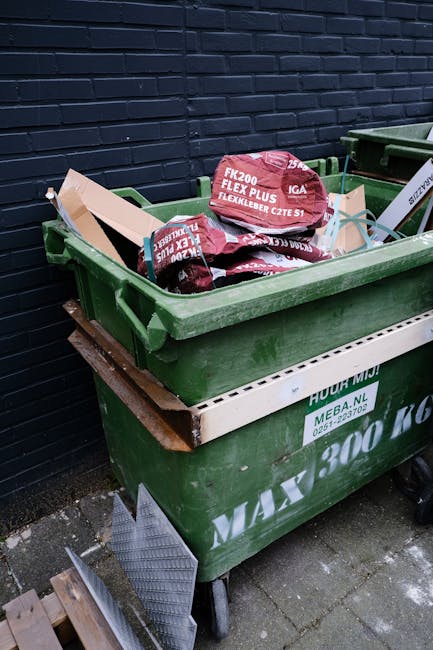
Tandridge Council rules for garden waste and rubbish disposal
If you live in Tandridge, garden waste and household rubbish can become awkward fast. A few bags of hedge cuttings, a broken chair in the shed, or a weekend clear-out can suddenly turn into a "where on earth does this all go?" moment. The rules matter because the wrong bin, the wrong bag, or the wrong pile left at the kerb can lead to missed collections, extra costs, or a messy garden that never quite gets sorted. This guide breaks down Tandridge Council rules for garden waste and rubbish disposal in plain English, so you can make sensible choices, stay compliant, and avoid the usual headaches.
We'll cover what counts as garden waste, what happens with general rubbish, how to prepare items properly, and when it makes more sense to arrange a professional clearance. If you are dealing with a larger tidy-up, you may also find our pages on garden clearance and waste removal useful alongside this advice.
Table of Contents
- Why Tandridge Council rules for garden waste and rubbish disposal Matters
- How Tandridge Council rules for garden waste and rubbish disposal Works
- Key Benefits and Practical Advantages
- Who This Is For and When It Makes Sense
- Step-by-Step Guidance
- Expert Tips for Better Results
- Common Mistakes to Avoid
- Tools, Resources and Recommendations
- Law, Compliance, Standards, or Best Practice
- Options, Methods, or Comparison Table
- Case Study or Real-World Example
- Practical Checklist
- Conclusion
- Frequently Asked Questions
Why Tandridge Council rules for garden waste and rubbish disposal Matters
At first glance, waste disposal sounds simple: put rubbish out, it gets taken away, job done. In reality, local collections work to specific rules, and those rules are there for a reason. Tandridge Council, like most councils in England, has to manage collection routes, contamination risks, recycling standards, and the safety of crews who handle bins and bags every week.
For residents, the practical effect is straightforward. If you separate waste properly, use the right containers, and avoid putting out restricted items, collections tend to run smoothly. If you mix in non-accepted material, things can go wrong quickly. A bin can be left unemptied, a bag may be ignored, or you may have to organise an alternative disposal route. Nobody wants that on a damp Monday morning when the wheelie bin is already overfull and the garden looks like it lost a small battle.
There is also an environmental side. Garden waste can usually be recycled or composted when handled correctly, while general rubbish may need different treatment depending on its contents. Getting the basics right helps reduce contamination, supports recycling, and keeps waste moving through the system as efficiently as possible.
Key point: if you are unsure whether something is garden waste, general rubbish, or bulky waste, pause before putting it out. A minute of checking can save a lot of hassle later.
How Tandridge Council rules for garden waste and rubbish disposal Works
The exact operational details can change over time, so it is always wise to check the current local guidance before putting waste out. That said, the structure is usually familiar across UK councils.
Garden waste typically covers biodegradable material from routine garden maintenance: grass cuttings, hedge trimmings, leaves, small twigs, plants, and similar organic debris. It is usually collected separately from general household rubbish if a local garden waste service is available, or it may need to be taken to a suitable disposal point if not.
General rubbish is the mixed waste from everyday living that cannot be recycled through standard kerbside systems. Think food-contaminated packaging, broken household odds and ends, tissues, and other residual waste. This is usually meant for the main refuse bin, not the green waste container.
Most councils expect waste to be:
- presented on the correct collection day
- placed in the correct bin or approved bag
- securely contained so it does not blow away
- free from prohibited items and contamination
For example, if you have trimmed a border full of ivy and also cleared out cracked plant pots, the plant material may belong in garden waste, while the pots may need to go elsewhere depending on the material and local collection rules. It sounds obvious, but in a real garden it is rarely neat. There's always that one half-buried thing you forgot was there.
For larger mixed clearances, a specialist service can be more practical than trying to divide everything into several small loads. If that sounds familiar, our home clearance and house clearance services may be relevant, especially when garden waste is only one part of a bigger job.
Key Benefits and Practical Advantages
Following the local rules is not just about avoiding problems. It creates a cleaner, simpler routine for households and helps you stay on top of seasonal jobs without turning every tidy-up into a mini project.
- Less risk of missed collections: correct presentation reduces the chance of bins being refused.
- Cleaner gardens: regular disposal stops piles of cuttings building up in corners and attracting pests.
- Better recycling outcomes: garden waste can often be processed more efficiently when it is kept separate.
- Less manual lifting later: sorting as you go is easier than digging through a mixed heap at the end.
- Safer spaces: fewer loose bags, broken items, and hidden sharp edges around the garden.
There is also a mental benefit, which people underestimate. Once the waste is properly handled, the space feels calmer. You can see the patio again, the path is clear, and suddenly the whole place looks a bit more cared for. Small thing, but it matters.
If you are dealing with old outdoor furniture or items that have reached the end of the road, it may help to look at furniture disposal or furniture clearance as part of the wider plan.
Who This Is For and When It Makes Sense
This topic is relevant to a lot more people than you might think. It is not only for keen gardeners or landlords with overgrown plots. In practice, the rules affect a wide range of everyday situations.
You may need this guidance if you are:
- doing routine garden maintenance and generating regular green waste
- clearing a neglected garden after winter or after a tenant moves out
- preparing a property for sale or let and need the outside area to look tidy
- dealing with a post-storm clean-up, fallen branches, or heavy leaf fall
- sorting mixed waste after a renovation, shed clear-out, or DIY project
- helping a relative who has accumulated years of outdoor clutter
It also makes sense if you live in a flat or maisonette with shared outdoor areas. Shared spaces often create confusion because one person assumes another is responsible for disposal. That is where things get awkward, very quickly. A quick check of responsibilities before putting anything out is usually worth it.
For bigger jobs involving lofts, garages, or sheds that have become "storage units" in all but name, the right support can save time. You can explore garage clearance and loft clearance if the mess has spread beyond the garden fence.
Step-by-Step Guidance
Here is a practical way to approach garden waste and rubbish disposal without overthinking it.
- Separate garden waste from general rubbish. Start by splitting biodegradable green waste from non-organic household rubbish. This is the single most useful step.
- Remove obvious contaminants. Pot liners, plastic ties, garden wire, and broken tools should not end up mixed into the green waste stream.
- Check what the council accepts. Some items that look "garden-related" may not be allowed, such as treated timber, rubble, soil in large quantities, or mixed DIY waste.
- Use the right container or presentation method. Bags, bins, bundles, or tied cuttings should be arranged exactly as required. Loose material is where trouble starts.
- Set out waste on the correct day and time. Collections are often strict. A late bin can mean a wait until the next round.
- Keep access clear for crews. Gates, paths, and bin locations should be easy to reach. A blocked route can stop collection entirely.
- Choose another route for bulky or restricted waste. If you have broken fencing, old sleepers, mixed rubble, or a loaded shed, a dedicated clearance may be easier than trying to fit it into a regular bin system.
A useful rule of thumb: if the item came out of the garden but is not garden waste, treat it as a separate problem. That mindset keeps things tidy and avoids contamination.
When the pile is too large for routine collection, our garden clearance and builders waste clearance pages explain the kind of mixed loads that are better handled outside normal council bin collections.
Expert Tips for Better Results
After dealing with enough clearances, one thing becomes obvious: the best jobs are the ones planned before the first bag is filled. A little structure goes a long way.
Tip 1: cut waste down before bagging it. Long branches and bulky stems take up more room than people expect. A few minutes with secateurs or loppers can halve the volume.
Tip 2: keep a "maybe" pile. If you are not sure whether something belongs in green waste, leave it aside until you have checked. That small pause can save a rejected collection.
Tip 3: think in zones. Work from one part of the garden to another. Front border, side return, shed corner, lawn edge. It sounds almost too simple, but it prevents waste from being re-mixed after you have already sorted it.
Tip 4: avoid overfilling containers. Heavy, overstuffed bags are awkward to carry and more likely to split. Nobody enjoys sweeping wet hedge clippings off a driveway. Nobody.
Tip 5: plan for weather. In wet weather, garden waste gets heavier and messier. In windy weather, lightweight rubbish can spread before collection. A bit of tarpaulin or a covered staging area helps.
Tip 6: protect surfaces. If you are dragging branches across paving or a gravel drive, take care. A few scratches are not the end of the world, but it is nicer not to add them.
If you want a disposal route that is handled from start to finish, take a look at our recycling and sustainability page to see how careful sorting supports responsible disposal.
Common Mistakes to Avoid
This is where many people trip up, usually with good intentions. The problem is not laziness; it is confusion. Waste categories can blur when you are standing in the garden with muddy gloves and a bin liner in each hand.
- Mixing soil, rubble, and green waste: these usually need different handling.
- Putting treated wood in garden waste: timber that has been painted, varnished, or chemically treated is not the same as hedge cuttings.
- Leaving waste loose at the kerb: crews generally need waste safely contained.
- Forgetting about hidden contaminants: plant pots, clips, twine, and broken ornaments often sneak into piles.
- Assuming all outdoor waste is accepted: not every garden item belongs in a standard collection.
- Waiting until the last minute: once a pile has grown, sorting it gets harder, not easier.
Another common issue is overestimating what will fit in one bin or one trip. A wet hedge cut from a big laurel can fill space fast. Much faster than you expect, in fact. It is usually at this point that people start pacing the garden muttering about "how is there still more?".
Tools, Resources and Recommendations
You do not need specialist equipment for basic waste sorting, but a few simple tools make the work cleaner and safer.
- Heavy-duty garden sacks: useful for leaves, small cuttings, and lighter debris.
- Secateurs and loppers: essential for reducing branch size.
- Tarpaulin: handy for dragging or staging waste on damp ground.
- Wheelbarrow or garden cart: saves repeated carrying and reduces strain.
- Gloves and sturdy footwear: sensible for sharp sticks, hidden glass, or rough debris.
- Separate containers: keep green waste, general rubbish, and reusable items apart from the start.
For larger domestic clearances, some households prefer a more complete service rather than piecemeal disposal. In that case, flat clearance or office clearance can be useful references if your project includes more than just garden material.
If you are comparing options, also consider whether the waste includes:
- bulky furniture
- mixed household items
- broken appliances
- construction offcuts
- old storage items from sheds or garages
The more mixed the load, the less a standard bin system tends to suit it.
Law, Compliance, Standards, or Best Practice
Waste disposal in the UK sits under general duties around safe handling, environmental responsibility, and keeping waste in the right stream. While local collection arrangements differ, the broad expectation is that households dispose of waste in the way the council requires and do not contaminate recyclable or separately collected material.
Best practice is simple, even if the wording gets technical elsewhere:
- present waste only in accepted containers or formats
- do not leave hazardous or restricted items in standard household bins
- separate garden waste from general rubbish where required
- avoid mixing trade, DIY, or builder's waste with domestic collections unless specifically allowed
- store waste safely until collection so it does not create a nuisance or safety issue
It is also sensible to remember that local rules can change, especially around collection schedules, accepted materials, or service availability. So if you are planning a one-off clear-out, check the latest council guidance before you start moving bags around. That one small step can save a whole Saturday.
For homeowners wanting more confidence around responsible handling, our insurance and safety and health and safety policy pages show the kind of care you should expect from a professional service.
Options, Methods, or Comparison Table
There is no single best disposal method for everyone. The right choice depends on the amount of waste, the type of material, and how quickly you want the job finished.
| Option | Best for | Strengths | Limitations |
|---|---|---|---|
| Regular council collection | Small to moderate amounts of accepted garden waste or household rubbish | Simple, familiar, usually cost-effective for routine waste | Limited by collection rules, container size, and accepted materials |
| DIY loading and transport | Households with access to a vehicle and time to sort waste carefully | Flexible and useful for occasional clear-outs | Time-consuming, messy, and not ideal for heavy or bulky loads |
| Professional clearance | Mixed waste, bulky items, overgrown gardens, or time-sensitive jobs | Fast, practical, and handles awkward items in one go | Usually costs more than a standard bin collection |
In real life, the "best" option often changes by season. A light spring tidy-up might suit the council route. A post-storm clean with broken branches, an old bench, and some shed debris? That is where a dedicated clearance starts to look very sensible.
Case Study or Real-World Example
Picture a typical late-summer garden in Tandridge after a wet few weeks. The hedge has grown more than expected, there are leaves under the fence line, and a shed clean-out has revealed a cracked planter, a rusted spade, old packaging, and a bag of odds and ends that nobody quite remembers buying. Classic.
The first temptation is to pile everything together and hope it fits into one collection. But that tends to create problems. The better approach is to split the waste into three groups:
- Green waste: hedge trimmings, leaves, small branches
- General rubbish: damaged packaging, non-recyclable odds and ends
- Bulky or special items: planter, broken furniture, shed contents
Once separated, the load is easier to manage. The green waste can go through the correct channel, the rubbish can be dealt with properly, and the bulky items can be cleared in one planned step rather than spread across several weeks. The job feels bigger before you start. Once it's broken down, it is usually much more manageable.
That sort of mixed household project is exactly where services like garage clearance and furniture clearance can take pressure off the process.
Practical Checklist
Use this checklist before you put anything out for collection or arrange disposal.
- Have I separated green waste from general rubbish?
- Have I removed plastic ties, labels, clips, and other contaminants?
- Have I checked whether soil, rubble, or treated wood is allowed?
- Is everything in the correct bin, bag, or container?
- Is the waste set out on the correct day and at the correct time?
- Can collection crews reach it safely and easily?
- Have I kept bulky or awkward items separate?
- Do I know what needs a different disposal route?
- Is the load too large for a normal council collection?
- Have I checked the latest local guidance before I start?
Quick reminder: if a pile looks mixed, it probably is mixed. And mixed waste is where most disposal problems begin.
Conclusion
Tandridge Council rules for garden waste and rubbish disposal are really about keeping things simple, safe, and properly sorted. Once you understand what belongs in each waste stream, the whole process gets easier. You spend less time guessing, less time moving the same bag twice, and less time worrying whether something will be refused at the kerb.
For small, routine jobs, council collection rules will usually be the most straightforward path. For larger clear-outs, mixed loads, or gardens that have turned into a bit of a project, a professional clearance can be the calmer, faster solution. Either way, the winning formula is the same: sort early, separate carefully, and avoid the panic sort at the end. We have all been there.
If you need help with a bigger disposal job, explore our service pages and choose the route that fits your space, your schedule, and the amount of waste you have on hand.
Get a free quote today and see how much you can save.
Sometimes the smallest tidy-up decisions make the biggest difference. A clear garden really does feel like a deep breath.
Frequently Asked Questions
What counts as garden waste under local council rules?
Garden waste usually means organic material from normal gardening, such as grass cuttings, leaves, hedge trimmings, weeds, and small branches. Non-organic items like pots, wire, and tools usually do not belong in that stream.
Can I put soil and turf in my garden waste bin?
Not always. Soil and turf are often treated differently from green waste because they are heavier and less suitable for standard garden waste collections. It is best to check current local guidance before putting them out.
What should I do with broken plant pots and old garden furniture?
Broken pots, plastic planters, metal furniture, and wooden outdoor items usually need a separate disposal route from garden waste. If they are bulky, a clearance service can be the most practical option.
Can I mix hedge cuttings with household rubbish?
No, mixing garden waste with general rubbish can contaminate the load and may lead to it being left uncollected. Keep green waste separate wherever possible.
What happens if I put the wrong items in the bin?
The collection may be refused, or the bin may be left unemptied until the contamination is removed. In some cases, you may need to arrange another disposal method. It is a small error that can become a big nuisance.
How do I know whether my waste is general rubbish or recyclable?
General rubbish is the residual material left after recyclable items and specialist waste have been separated. If the item is clean, dry, and accepted through a recycling stream, it should usually not go in general waste.
Is it better to use council collection or a clearance service?
For small, routine waste, council collection is often the simplest choice. For mixed, bulky, heavy, or time-sensitive waste, a professional clearance is usually quicker and less stressful.
Can I dispose of builders' waste with garden waste?
No, builders' waste such as rubble, plaster, bricks, and construction offcuts normally needs a separate disposal route. Garden waste and builders' waste are handled differently.
How should I prepare waste before collection day?
Sort it by type, remove contaminants, use the correct container, and place it out on time with clear access. A tidy setup helps prevent missed collections and keeps the job safe for crews.
What if my garden waste is too much for the regular collection?
If the amount is beyond the normal service, consider breaking it into smaller loads over time or arranging a dedicated garden clearance. That is often the easiest way to handle a big seasonal tidy-up.
Do I need to worry about safety when clearing garden waste?
Yes. Gloves, sturdy shoes, and careful lifting help prevent cuts and strains. Wet waste can be heavier than it looks, and hidden debris can catch you out.
Where can I find help if I have more than just garden waste?
For mixed waste, household clear-outs, or items from sheds, garages, and lofts, it is worth looking at related services such as house clearance, garage clearance, and loft clearance to match the disposal method to the load.